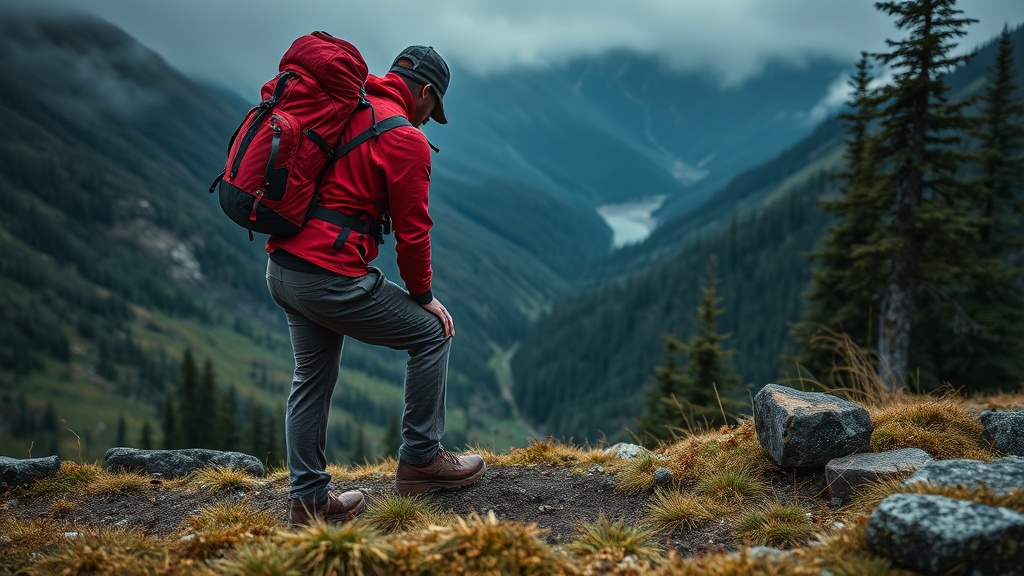
Preparing Your Gear for a Hike at Humber Valley

You’re standing in the parking lot at the trailhead near the Humber Valley Provincial Park, looking at a sky that was blue twenty minutes ago but is now a bruised shade of grey. You reach for your backpack, only to realize your boots are soaked from yesterday's rain and your spare socks are sitting in a damp pile at the bottom of your bag. This post covers exactly how to prep your hiking gear specifically for the unpredictable weather and rugged terrain of the Humber Valley. Getting your kit right isn't just about comfort—it's about staying safe when the fog rolls in off the coast or the temperature drops ten degrees in an instant.
The Humber Valley isn't a flat walk in the park. It's a mix of steep climbs, muddy bogs, and rocky outcrops that demand respect. If you aren't prepared, a simple afternoon stroll can turn into a cold, wet ordeal quite quickly.
What Kind of Footwear Do I Need for Humber Valley Trails?
You need waterproof hiking boots with deep tread and high ankle support to handle the uneven, often muddy terrain found in Western Newfoundland. While light trail runners work for groomed paths, the technical trails around the valley often feature slippery roots and loose rock that require more stability.
Don't settle for basic sneakers if you're planning on hitting the more remote trails. Your feet will take a beating on the granite steps and muddy sections. I've seen too many people try to "tough it out" in canvas shoes, only to end up with soaked feet and blisters halfway through the trek.
Look for boots that feature a Gore-Tex membrane or a similar waterproof technology. This is a lifesaver when you're crossing small stream crossings or walking through the damp moss typical of our Atlantic forests. Brands like Salomon or Merrell are staples around here because their boots handle the dampness of the Newfoundland climate well.
- Mid or High-Cut Boots: These provide the ankle support needed for uneven rocks.
- Vibram Soles: Look for this branding; it indicates a high-traction rubber that grips wet surfaces.
- Moisture-Wicking Socks: Never wear cotton. Use Smartwool or Darn Tough merino wool socks to keep your feet dry and prevent blisters.
The catch? A waterproof boot can get hot. On a rare sunny afternoon in the valley, your feet might sweat. That's why a high-quality wool sock is actually more important than the boot itself—it manages moisture even when things get a bit sweaty.
How Should I Layer My Clothing for Newfoundland Weather?
The best way to dress is using a three-layer system consisting of a moisture-wicking base layer, an insulating middle layer, and a waterproof outer shell. This system allows you to adjust your temperature as you move from a steep, sweaty climb to a breezy, exposed ridge.
In the Humber Valley, the weather changes on a whim. You might start in a t-shirt and end the hike needing a heavy jacket. Layering is your best defense against the rapid temperature shifts common in Western Newfoundland. (And trust me, even in July, it can get chilly once the sun dips behind the hills.)
Here is a breakdown of the layers you should have in your pack:
| Layer Type | Purpose | Recommended Materials |
|---|---|---|
| Base Layer | Wicks sweat away from skin | Merino wool or synthetic (Avoid cotton!) |
| Mid Layer | Retains body heat | Fleece or a light down jacket like the Patagonia Nano Puff |
| Outer Layer | Blocks wind and rain | Hard-shell waterproof jacket (Gore-Tex or similar) |
A quick tip: avoid denim at all costs. If you get caught in a downpour—which happens more often than you'd think—wet jeans become heavy, cold, and take forever to dry. It's a recipe for hypothermia if the wind picks up. Stick to synthetic hiking trousers or leggings.
What Should I Pack in My Daypack?
Your daypack should contain high-calorie snacks, plenty of water, a topographic map, a first aid kit, and an extra insulating layer. Even for a short hike, you should always assume you'll be out longer than planned due to unexpected weather or trail conditions.
I always tell people to pack for the worst-case scenario, not the best-case scenario. If the forecast says sun, pack for rain. If it says mild, pack for a chill. The Humber Valley terrain can be deceptive; a trail that looks easy at the bottom can get much more exposed and windy as you gain elevation.
Here are the non-negotiables for your pack:
- Hydration: Bring more water than you think you need. If you're using a hydration bladder, ensure it's full before you leave the car.
- Navigation: Don't rely solely on your phone. GPS can be spotty in the valleys, and battery life drops fast in the cold. A physical map or a dedicated GPS device is a smart move. You can check out official Parks Canada resources for general area guidance.
- Emergency Shelter: A lightweight emergency bivvy or a simple space blanket takes up almost no room but can save your life if you're forced to spend an unexpected night out.
- High-Energy Food: Think nuts, protein bars, or dried fruit. You'll burn more calories than usual climbing those hills.
- First Aid: At a minimum, carry bandages, antiseptic wipes, and moleskin for blisters.
Worth noting: always check the Environment Canada forecast for the Humber Valley specifically before you head out. A general Newfoundland forecast might say "sunny," but the microclimate in the valley can be entirely different. If there's a high wind warning, be prepared for much higher wind speeds on the ridge lines.
"Preparation is the difference between a great memory and a dangerous situation. In the woods, there is no such thing as 'too much gear' if it's lightweight and useful."
When you're packing, weight distribution matters. Place the heaviest items (like your water reservoir or heavy food containers) close to your spine and in the middle of the pack. This keeps your center of gravity stable as you navigate rocky sections. If your pack is bouncing around, you'll fatigue much faster.
Don't forget a small dry bag for your electronics. Even if your backpack is "water-resistant," a heavy Newfoundland downpour will find a way inside. Keeping your phone and car keys in a sealed dry bag ensures they stay functional even if you get soaked.
Lastly, consider a trekking pole. While some people find them cumbersome, they are incredibly helpful when walking through the muddy, uneven sections of the valley. They provide extra points of contact and can save your knees on the long descents.
Steps
- 1
Check the local weather forecast
- 2
Layer with moisture-wicking fabrics
- 3
Test your waterproof footwear
- 4
Pack a reliable navigation tool