How to Build a High-Yield Vegetable Garden in Your Corner Brook Backyard

A lot of folks in the Humber Heights area think our growing season is too short to produce anything more than a few sad-looking potatoes. They'll tell you that the slate-filled dirt in Corner Brook is better for supporting telephone poles than growing tomatoes. That's a myth we need to retire right now. While we aren't exactly living in a tropical paradise, our microclimates within the valley offer some surprising opportunities for anyone willing to put in a bit of sweat equity. This post covers the specific steps required to turn a rocky Corner Brook plot into a productive food source, from building the right beds to timing your planting around our late spring frosts.
We have to deal with a unique set of challenges here. Between the wind coming off the bay and the fact that most of our backyards are built on steep hills or solid rock, traditional row gardening is often a losing battle. But that doesn't mean you can't have a kitchen garden that feeds your family all summer. It just means we have to be smarter about how we set things up. In Townsite, where the yards are a bit smaller and the soil is often packed tight from decades of development, we have to look toward vertical options and raised containers to get the best results. Our community has a long history of being self-sufficient, and bringing back the backyard garden is a great way to keep that tradition alive while saving a few dollars at the grocery store.
What crops actually survive the Corner Brook climate?
Choosing the right plants is the first step toward avoiding a garden full of disappointment. You can't just pick up any seed packet at a big-box store and expect it to thrive in our specific NL environment. We need to focus on cool-weather crops that don't mind a bit of a chill in the air and can handle the damp conditions we often get in June. Root vegetables are the champions of the Corner Brook garden. Carrots, beets, and parsnips love our cooler nights and can stay in the ground well into the autumn. In fact, many locals swear that a light frost actually makes the carrots taste sweeter (it has to do with the starches turning to sugar, which is a neat little trick of nature).
Kale and Swiss chard are also incredibly hardy choices for our area. They'll keep growing even when the temperature dips, and you can often keep harvesting them until the first real snow starts to fly. If you're looking for something a bit more substantial, potatoes are a staple for a reason. They don't mind our soil as much as other plants do, provided you give them enough organic matter to feed on. I've seen some impressive harvests in the Sunnyslope area where the sun hits the hills just right throughout the afternoon. You can find excellent local advice and seeds at the Memorial University Botanical Garden, which provides resources specifically for Newfoundland gardeners.
How do we handle the rocky ground in our local yards?
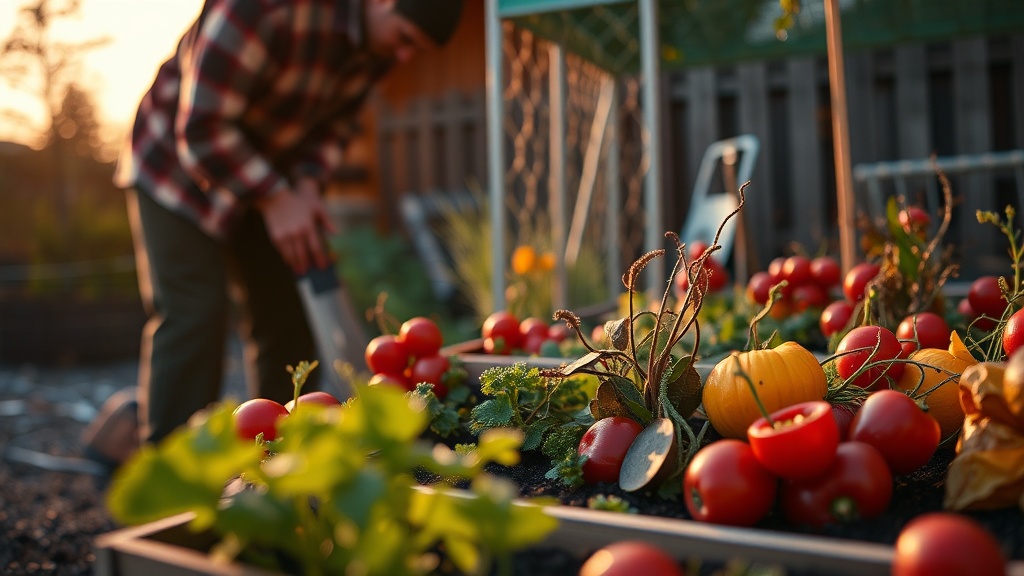
Since we're mostly dealing with slate and rock, digging a traditional garden bed is a recipe for a sore back and very little progress. The solution for most of us in Corner Brook is to build raised beds. By going up instead of down, you bypass the poor soil quality and the drainage issues that plague our hillside properties. A raised bed should be at least twelve inches deep—this gives the roots enough room to move and allows you to fill it with a high-quality mix of topsoil and compost. You can source good soil from local suppliers like the Atlantic Garden Centre on Confederation Drive, which understands what our local terrain requires.
When building your beds, avoid using pressure-treated wood if you're growing food, as the chemicals can sometimes leach into the soil. Cedar is a popular (if more expensive) choice because it resists rot naturally, but even plain spruce boards will last you a good five or six years if you take care of them. Arrange your beds in a spot that gets at least six to eight hours of direct sunlight. In Corner Brook, that usually means a south-facing slope. If your yard is tiered—like many of the older properties near Mount Bernard—you can actually use the tiers to your advantage by building the beds directly into the hillsides. This creates a natural drainage system that prevents your plants from getting waterlogged during our heavy spring rains.
| Crop Type | Best Planting Window | Corner Brook Success Level |
|---|---|---|
| Root Veggies (Carrots/Beets) | Early June | High |
| Leafy Greens (Kale/Spinach) | Late May | Very High |
| Hardy Herbs (Chives/Mint) | Early June | High |
| Tomatoes (Short-season) | Mid-June | Moderate (Needs shelter) |
When is it actually safe to plant in the Humber Valley?
The biggest mistake new gardeners make in our community is getting too eager during those first few warm days in May. We've all been there—the sun is out, the snow is finally gone from the edges of Margaret Bowater Park, and you think it's time to get the seeds in the dirt. Don't fall for it. The unofficial rule in Corner Brook is to wait until after the June 10th frost date. Even if the days are beautiful, our night temperatures can still plummet, and a single late-season frost will wipe out your entire crop of tender seedlings in a matter of hours. It’s a frustrating wait, but it’s a necessary one.
If you want to get a head start, you can start your seeds indoors near a sunny window or under some grow lights in your basement. This is particularly helpful for things like tomatoes or peppers that need a longer season than our climate naturally provides. By the time the middle of June rolls around, you'll have sturdy little plants ready to be hardened off and moved outside. Hardening off is just the process of slowly introducing your plants to the outdoor air for a few hours each day so they don't get shocked by the wind or the direct sun. For more professional guidance on local planting cycles, the Newfoundland and Labrador Federation of Agriculture offers great insights into our regional growing seasons.
Protecting your hard work from the elements
Once your plants are in the ground, your next big hurdle is the wind. Corner Brook is known for that stiff breeze that comes off the water and whistles through the valley. It can dry out your soil quickly and physically damage taller plants like peas or beans. Using a bit of burlap as a windbreak can make a huge difference, especially in the early weeks when the plants are still establishing their root systems. Some people use plastic covers—often called cloches—to create a mini-greenhouse effect, which also helps trap some heat during those cooler June nights. Just make sure to vent them during the day so you don't accidentally cook your lettuce.
Managing local pests and slugs
We can't talk about gardening in Corner Brook without mentioning the slugs. Our damp, foggy mornings are heaven for them, and they can devour a row of seedlings overnight if you aren't careful. Skip the expensive chemical pellets and stick to the old-school methods. A shallow dish of beer buried at soil level works wonders (the slugs are attracted to the yeast and crawl in), or you can use crushed eggshells around the base of your plants to create a barrier they don't like to crawl over. It's a bit of a constant battle, but staying on top of it in the early morning or late evening will keep your garden looking healthy. You can check the City of Corner Brook website for any local bylaws or tips regarding backyard composting, which is the best way to keep your soil rich without relying on store-bought fertilizers.
Building a garden here is about more than just the food. It's about taking pride in our local space and showing that we can grow amazing things despite the rocky ground beneath our feet. Whether you're in a heritage home in Townsite or a newer spot in the valley, there's a way to make it work. Start small, focus on the crops that like our weather, and don't be afraid to ask your neighbors for advice. Most of the best gardening tips in Corner Brook aren't found in books—they're traded over backyard fences between people who have been coaxing life out of this slate for generations.