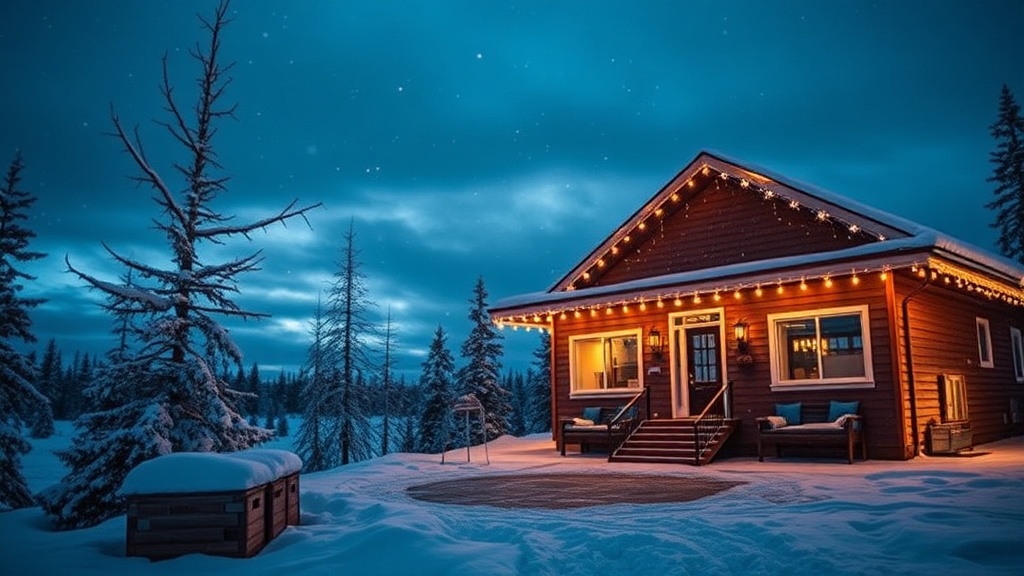
Finding the Best Winter Essentials for Your Corner Brook Home

Why your heating costs might be higher than your neighbors'
Did you know that heating costs in Western Newfoundland can fluctuate by as much as 30% based purely on how well a home is sealed against the wind? Living in Corner Brook means we don't just deal with snow; we deal with the biting winds that whip off the bay and through our valleys. This post covers the specific steps you can take to winterize your property, ensuring your home stays warm and your utility bills stay manageable during those long months of January and February. We're looking at practical, local adjustments that make a real difference in our West Coast climate.
When the temperature drops below zero in our community, the drafty windows in older homes near the downtown core can become a major issue. If you live in an older neighborhood like the West End, you've likely noticed how the wind seems to find its way through even the smallest cracks. Taking the time to address these gaps isn't just about comfort—it's about making sure your heating system isn't working overtime while you're trying to relax.
Where can I find weather stripping in Corner Brook?
The first step in any winterization plan is identifying where the heat is escaping. Grab a flashlight and walk around your house once the sun goes down. Check the seals around your doors and windows. You'll likely find that the door leading from your garage into your house—or even the back door near your kitchen—needs a fresh layer of weather stripping. For high-quality supplies, a quick trip to a local hardware store like Home Hardware on West Street will get you everything you need. They carry various grades of adhesive-backed foam and rubber seals that are perfect for the heavy snow-load seasons we experience here.
Don't forget the basement. Many of our homes in Corner Brook sit on foundations that can feel much colder than the rest of the house. If you have a utility room or a basement entrance, checking the seals there is a smart move. A small roll of silicone sealant from a local shop can save you a lot of headache when the next big frost hits. We've seen many neighbors struggle with dampness in the basement because the seal on the door wasn't quite right, so don't overlook that area.
How do I stop drafts around my windows?
Windows are often the biggest culprit when it comes to heat loss. If you're living in a home with older, single-pane windows, you might consider using window insulation kits. These are simple plastic films that you stick to the frame and shrink with a hair dryer to create an airtight seal. It's a cheap, effective way to keep the warmth inside. For those who want a more permanent solution, checking with local glass specialists can help you understand if your window frames need re-caulking.
- Check the Caulking: Look at the exterior edges of your window frames. If you see gaps, use an exterior-grade caulk to seal them up.
- Use Heavy Curtains: It sounds simple, but thick, thermal curtains can act as an extra layer of insulation against the cold.
- Check the Vents: Make sure your furnace vents are clear of debris or heavy snow buildup to ensure proper airflow.
If you find that your windows are particularly drafty, you can also use heavy rugs or even specialized draft stoppers at the base of your doors. This is a common sight in many Corner Brook homes during the winter months. It's a small change that yields significant results in how warm your living room feels during a blizzard.
Is it worth upgrading my thermostat settings?
Many people wonder if they should lower the temperature while they are sleeping or away from home. In our climate, maintaining a consistent, moderate temperature is often better than letting the house get freezing cold and then trying to "recover" the heat later. A programmable thermostat can be a great tool for managing your energy use. If you're looking for advice on energy efficiency, the Natural Resources Canada website offers excellent documentation on home heating techniques that work well in northern climates.
One thing to keep in mind is that if you drop the temperature too low—say, below 15 degrees Celsius—you run the risk of frozen pipes. This is a nightmare scenario for any homeowner in Corner Brook, especially if a pipe bursts behind a wall. We've heard many stories from local community groups about the cost of repairs after a freeze-up. It's always better to be slightly too warm than to risk a plumbing disaster. If you're planning to be away for a few days, don't turn the heat off entirely; just set it to a lower, safe temperature.
A quick checklist for your winter home maintenance:
| Task | Location | Frequency |
|---|---|---|
| Check Door Seals | Exterior Doors | Once every autumn |
| Inspect Window Caulking | Window Frames | Once every spring/autumn |
| Clean Furnace Filters | Utility Room | Every 3 months |
| Clear Snow from Vents | Exterior/Foundation | Weekly during snowstorms |
Regular maintenance is the key to a stress-free winter. Whether you are living in a new build near the hospital or a heritage home near the waterfront, these small steps ensure that our community stays warm and cozy despite the weather. Keeping an eye on your home's exterior and interior seals will save you money and keep your family comfortable through the toughest parts of the Newfoundland winter.